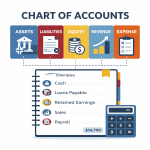
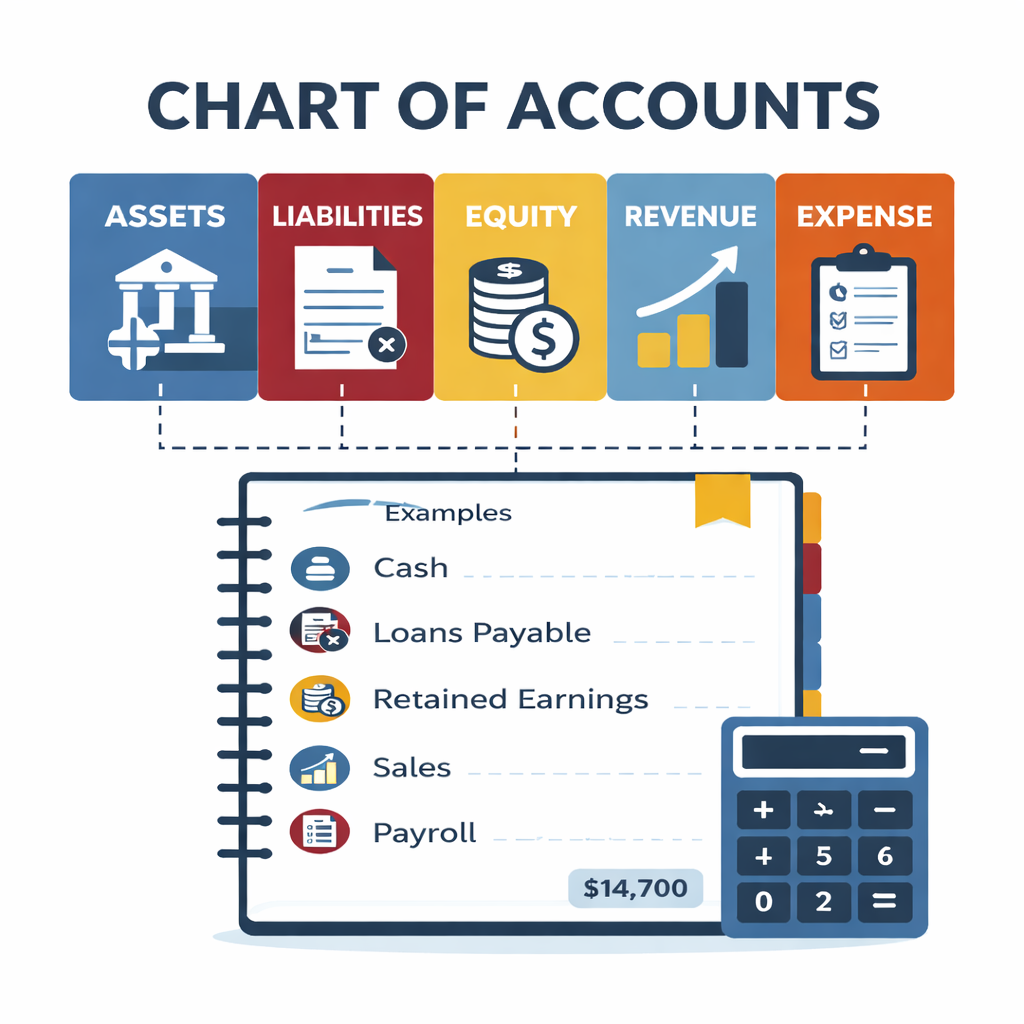
A Chart of Accounts (COA) is the foundation of your business’s accounting system. It is a structured list of all the accounts used to record financial transactions, organized into categories such as assets, liabilities, equity, revenue, and expenses. When thoughtfully designed to fit your business, a well-tailored chart of accounts improves financial clarity, supports better decision-making, and ensures accurate reporting.
1. Aligns Financial Data with Your Business Operations
Every business is unique, and a generic chart of accounts often fails to reflect how a company actually operates. A tailored COA mirrors your specific revenue streams, cost centers, and operational structure. This alignment allows financial reports to clearly show where money is earned and spent, making the information more meaningful and actionable.
2. Improves Accuracy and Consistency
A well-designed chart of accounts reduces confusion about where transactions should be recorded. Clearly defined account names and categories help ensure transactions are consistently posted to the correct accounts, minimizing errors and reducing the need for corrections at month-end or year-end.
3. Enhances Financial Reporting and Analysis
Accurate financial statements depend on a properly structured chart of accounts. When accounts are logically grouped and detailed at the right level, businesses can:
-
Analyze profitability by product, service, or department
-
Track expense trends
-
Compare performance across periods
This clarity makes financial reports easier to understand for owners, managers, lenders, and investors.
4. Supports Better Decision-Making
Timely and reliable financial data is essential for informed decisions. A tailored COA provides management with precise insights into key areas such as operating costs, margins, and cash flow. This allows business owners to identify opportunities, control expenses, and plan for growth with greater confidence.
5. Simplifies Budgeting and Forecasting
Budgets and forecasts are most effective when they are built on a well-organized chart of accounts. A tailored COA ensures that budget categories align with actual accounts, making it easier to compare budgeted amounts to actual results and adjust strategies as needed.
6. Scales with Business Growth
As a business grows, its accounting needs become more complex. A thoughtfully designed chart of accounts is flexible enough to accommodate expansion, new revenue streams, additional locations, or departments—without requiring a complete restructuring of the accounting system.
7. Ensures Compliance and Audit Readiness
A clear and logical chart of accounts supports compliance with accounting standards and tax reporting requirements. It also provides a clean audit trail, making it easier to respond to auditor requests and reducing the time and cost associated with audits and financial reviews.
8. Improves Cash Flow Management
With properly defined revenue and expense accounts, businesses can more easily monitor cash inflows and outflows. This visibility helps identify cash flow issues early and supports proactive financial management.
Conclusion
A well-tailored chart of accounts is far more than a bookkeeping tool—it is a strategic asset. By accurately reflecting how your business operates, it enhances reporting accuracy, supports smarter decision-making, and provides a strong foundation for growth. Investing the time to design and maintain a chart of accounts that fits your business pays long-term dividends in financial clarity and control. At Charted Legacy Solutions, we are trained to interpret and provide valuable insights into all your financial statements, as well as help develop an efficient Chart of Accounts tailored to your business. Contact Us to find out how we can help you understand them so that it will be easier to grow your business.