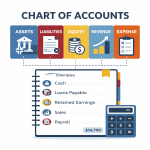
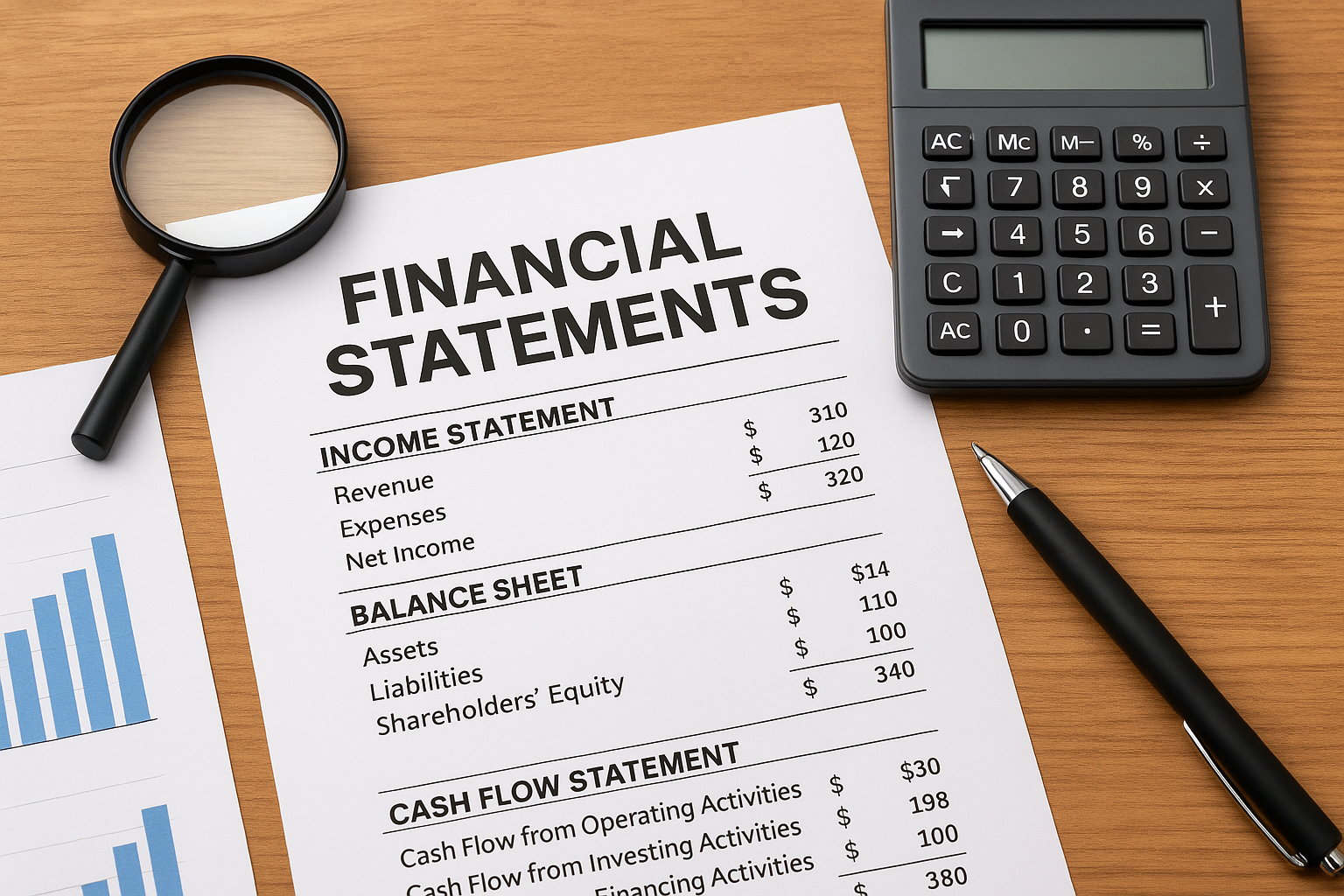
Whether you’re a business owner, investor, manager, or someone simply trying to strengthen your financial literacy, understanding financial statements is one of the most valuable skills you can develop. These documents—typically the Income Statement, Balance Sheet, and Cash Flow Statement—tell the true story of an organization’s financial health. When read correctly, they help you gauge stability, performance, and future potential.
1. They Give You a Clear Picture of Financial Health
Financial statements provide insight into how a company earns and spends money, what it owns and owes, and whether it is operating efficiently. Without this visibility, decisions are often based on assumptions rather than facts.
2. They Strengthen Your Decision-Making
From choosing whether to expand a business, invest in new equipment, or adjust pricing, financial statements offer the data needed to make confident, informed decisions. They reveal trends and patterns that guide strategy—not just for leaders but also for stakeholders across the business.
3. They Help You Monitor Profitability
The Income Statement shows revenue, expenses, and net income. Understanding this document allows you to pinpoint which areas of the business are profitable and where improvements are needed. It’s not just about total revenue; it’s about understanding margins and cost behavior.
4. They Support Better Cash Management
A business can be profitable on paper yet still struggle if its cash flow is weak. The Cash Flow Statement outlines how cash moves in and out, helping you anticipate shortages, manage debts, and plan for investments. Good cash management is often the difference between sustainability and failure.
5. They Enhance Transparency and Trust
Accurate, well-understood financial statements build trust with lenders, investors, partners, and employees. When financial information is clear and accessible, it shows that the business is being responsibly managed and that leadership is committed to accountability.
6. They Help You Stay Compliant
Regulatory requirements—tax filings, audits, lending covenants—often rely on accurate financial data. Understanding statements ensures compliance and reduces the risk of errors, penalties, or misreporting.
7. They Empower Long-Term Planning
Financial statements aren’t just snapshots—they’re strategic tools. They help identify trends, forecast growth, highlight risks, and guide long-term planning. With a deeper understanding, businesses can set realistic goals and chart a more sustainable future.
Conclusion
Understanding financial statements isn’t just a technical skill—it’s a fundamental part of making informed, strategic decisions. Whether you're running a business, evaluating an investment, or simply aiming to improve your financial literacy, these tools give you the clarity and control needed to make smarter choices. The more confident you become in reading them, the stronger your financial foundation will be. We here at Charted Legacy Solutions are well-versed in understanding these statements and make interpreting them easy. Contact Us to discuss how we can handle your bookkeeping needs which includes providing valuable insights into your financial statements.